

Dr. Jitesh Jain, Shoulder Dislocation Specialist in Jaipur
Expert arthroscopic shoulder surgery by Dr. Jitesh Jain, a fellowship-trained shoulder surgeon with 5000+ arthroscopic surgeries and international training from Hong Kong and Singapore.
Have a tendon tear instead? See rotator cuff repair in Jaipur.

What is Shoulder Dislocation?
Shoulder dislocation is the most common dislocation in orthopedic practice, comprising nearly 50% of all dislocations. It most commonly affects young, active males below 30 years of age.
The shoulder joint is like a golf ball sitting on a tee, only one-fourth of the humeral head articulates with the socket at any time. This makes the joint inherently unstable, relying on soft tissues (labrum, ligaments, muscles) for stability.
Head of arm bone dislocates forward, usually from a fall on an outstretched hand
Chances of re-dislocation after first episode are very high in patients under 25 years
Torn labrum (soft tissue around socket) fails to heal and causes recurring episodes

X-ray showing a dislocated shoulder joint
Why Does Your Shoulder Keep Dislocating?
Two main reasons for recurrent shoulder dislocation:
Torn Labrum (Bankart Lesion)
The labrum, the soft tissue ring around the shoulder socket, tears during dislocation and fails to heal. This is the most common cause of recurrent instability. An MRI confirms the tear.
Treatment: Arthroscopic Bankart RepairBone Loss (Hill-Sachs / Glenoid)
Bone damage from the head of the humerus and/or glenoid (socket) can occur during dislocation. Significant bone loss requires a different surgical approach. A CT scan assesses bone damage.
Treatment: Latarjet Procedure (Open Surgery)Treatment for Shoulder Dislocation
First Dislocation
Reduced by manipulation under sedation. Shoulder immobilizer for 7 to 10 days, followed by gradual exercises to restore range of motion and strength.
Non-SurgicalArthroscopic Bankart Repair
Minimally invasive keyhole surgery. The torn labrum is reattached to the socket using special suture anchors. Only 1 cm incisions, no joint is opened. Discharge next day.
Most Common, Minimally InvasiveLatarjet Procedure
Open surgery for cases with significant bone loss. Bone is transferred to the area of bone loss to restore stability. Required in complex or severe cases.
For Bone Loss CasesArthroscopic Shoulder Dislocation Surgery
Dr. Jitesh performs arthroscopic Bankart repair, a minimally invasive procedure to fix the torn labrum and restore shoulder stability.
- Done through a video camera, only 1 cm incisions
- Shoulder joint is not opened
- Torn labrum reattached to glenoid using suture anchors
- Next-day discharge in most cases
- Quick recovery with structured physiotherapy
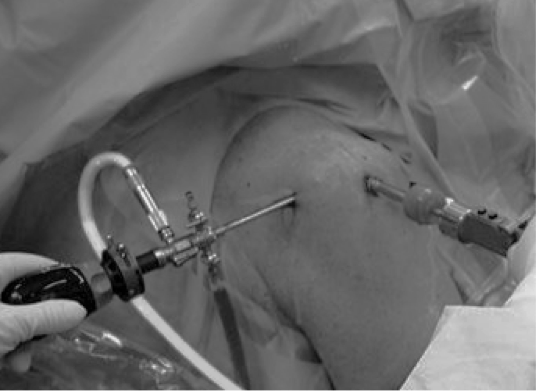
Arthroscopic repair: labrum reattached using suture anchors
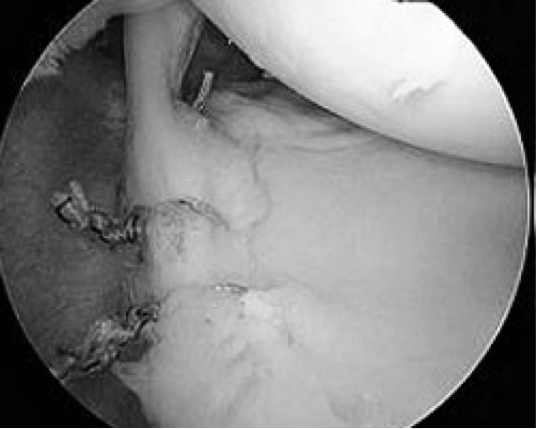
Arthroscopic view during labrum repair
Recovery After Shoulder Dislocation Surgery
Discharge
Most patients discharged the next day with a shoulder sling.
Sling & Rest
Shoulder immobilized in sling. Gentle elbow and wrist exercises begin.
Range of Motion
Gradual physiotherapy to restore shoulder movement and flexibility.
Strengthening
Progressive strengthening exercises. Most daily activities resume.
Full Activity
Return to sports and overhead activities as cleared by Dr. Jitesh.
Insurance & Cashless Surgery
Shoulder dislocation surgery is available cashless at Rajasthan Hospital for all major insurance providers and government scheme beneficiaries:
Our team assists with complete paperwork and pre-authorization.
Get a Personalized Consultation
WhatsApp your MRI or X-ray. Dr. Jitesh will review and guide you on the best treatment plan.
💬 WhatsApp Your Reports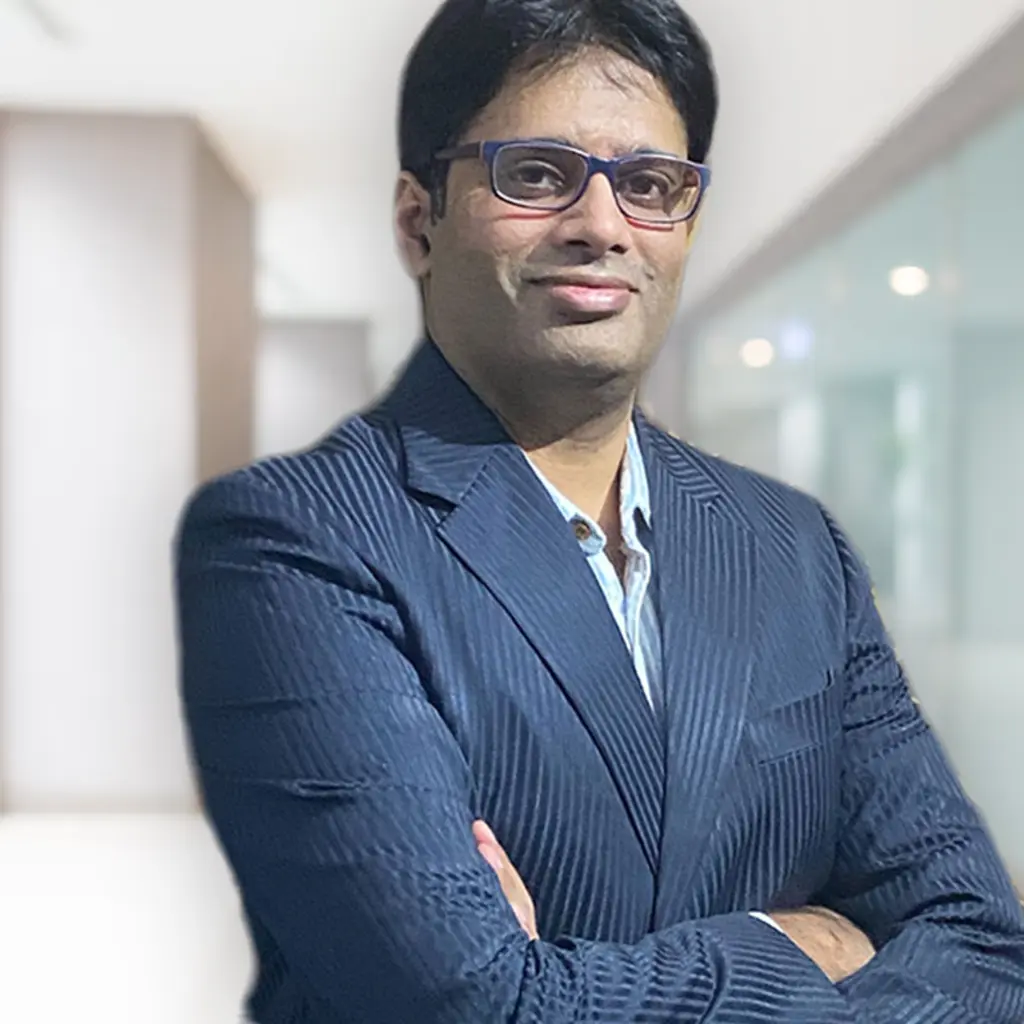
Your Surgeon: Dr. Jitesh Jain
Dr. Jitesh Jain is the best orthopedic surgeon in Jaipur for shoulder problems, a fellowship-trained shoulder and knee surgeon with 5000+ arthroscopic surgeries and 20000+ total surgeries.
- 14+ Years of Specialized Experience
- MS (Ortho), FNB (Sports Medicine & Arthroscopy)
- SICOT Fellowship, Queen Mary Hospital, Hong Kong
- Lee Shaw Fellowship, Singapore General Hospital
- Expertise in arthroscopic Bankart repair & Latarjet procedure
- Author, Fundamentals of Orthopaedics (Jaypee Publications)
- 30+ International Research Papers
What Our Patients Say
⭐⭐⭐⭐⭐ 4.9 average rating from 650+ Google reviews
"मेरा कन्धा बार बार उतरता था। डॉ जितेश ने दूरबीन से ऑपरेशन कर इसे ठीक किया. अब मै पहले की तरह फिर से काम करने लगा हूँ. वो बहुत ही अच्छे डॉ है."
"Thank you so much for your expert care and continuous concern for my full recovery. In addition to being an outstanding doctor, you are also a remarkable person."
"I was suffering from pain for a long time. Not only did Dr. Jitesh correctly diagnose my condition, but he also operated and now I am pain free. Thanks a ton."
FAQs: Shoulder Dislocation Treatment in Jaipur
What causes recurrent shoulder dislocation?
Two main causes: a torn labrum (Bankart lesion) that fails to heal after the first dislocation, and bone loss from the humeral head or glenoid socket. An MRI and CT scan help determine the exact cause.
What is arthroscopic Bankart repair?
A minimally invasive keyhole surgery where the torn labrum is reattached to the glenoid socket using suture anchors. Only 1 cm incisions are made, the joint is not opened, and most patients are discharged the next day.
Should I get surgery after my first shoulder dislocation?
In young patients under 25 years, the chances of recurrence after the first dislocation are very high, so Dr. Jitesh may recommend surgery even after the first episode to prevent further dislocations and joint damage.
How long is recovery after shoulder dislocation surgery?
Most patients are discharged the next day. Sling use for 3 weeks, then gradual physiotherapy. Range of motion returns in 4 to 8 weeks, strengthening by 3 to 4 months, and return to sports by 6 months.
Is the surgery painful?
The surgery is done under regional or general anesthesia, so you feel no pain during the procedure. Post-operative pain is managed with medications and is typically mild due to the minimally invasive approach.
Is insurance accepted for shoulder surgery?
Yes, shoulder dislocation surgery is available cashless for all major insurance providers, CGHS, ECHS, Railway, Ayushman Bharat, and Chiranjeevi Yojana beneficiaries at Rajasthan Hospital.
Stop Living with a Dislocating Shoulder
WhatsApp your MRI or X-ray to Dr. Jitesh. He'll review your case personally and recommend the best treatment option.